ARCHITECTURE
SELF- PERPETUATING HEGEMONY BETWEEN CULTURE AND FORM
Location: Khulna
Year: 2024
Client: x
A. M. & Associates
Project note
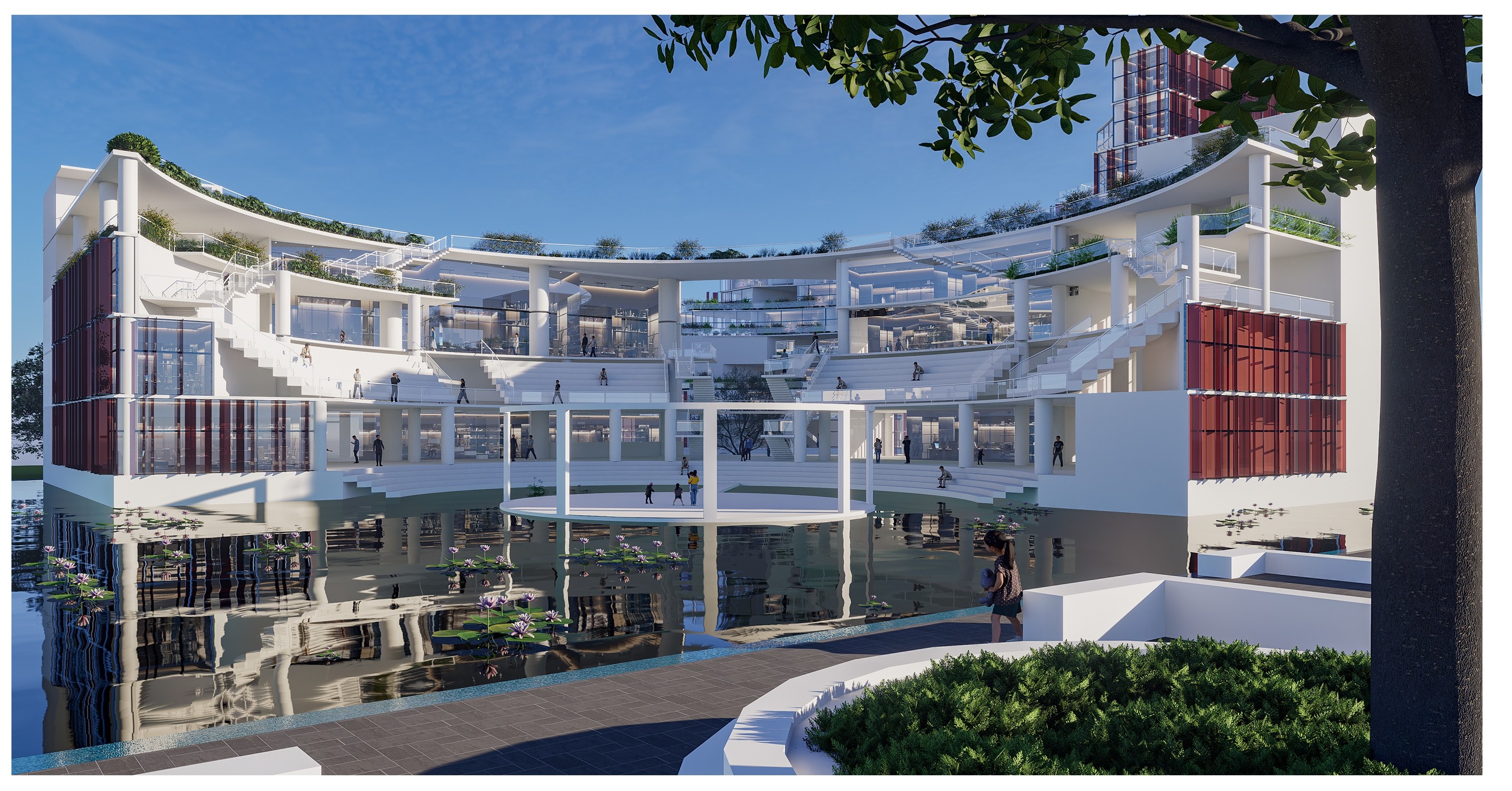
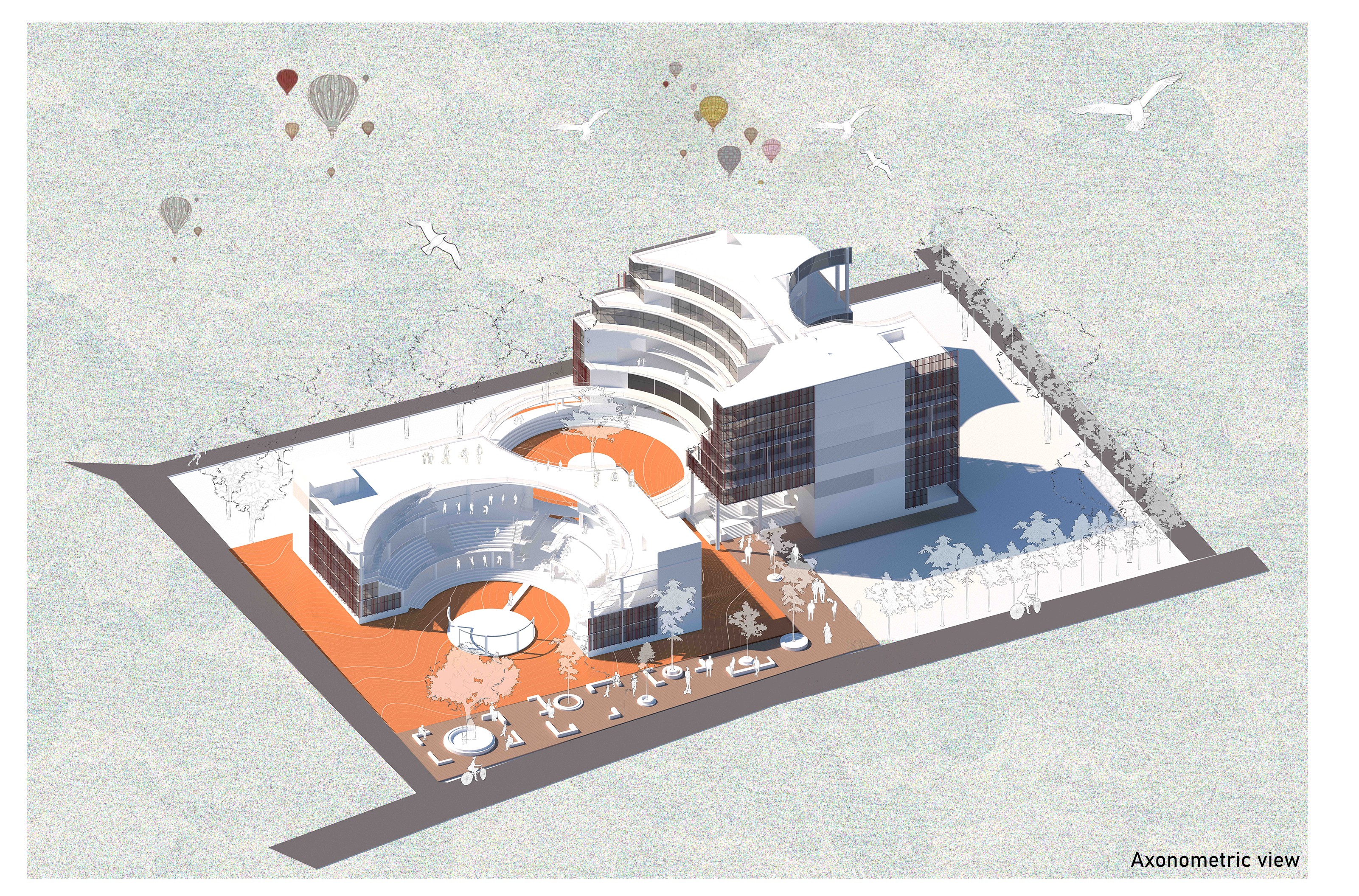
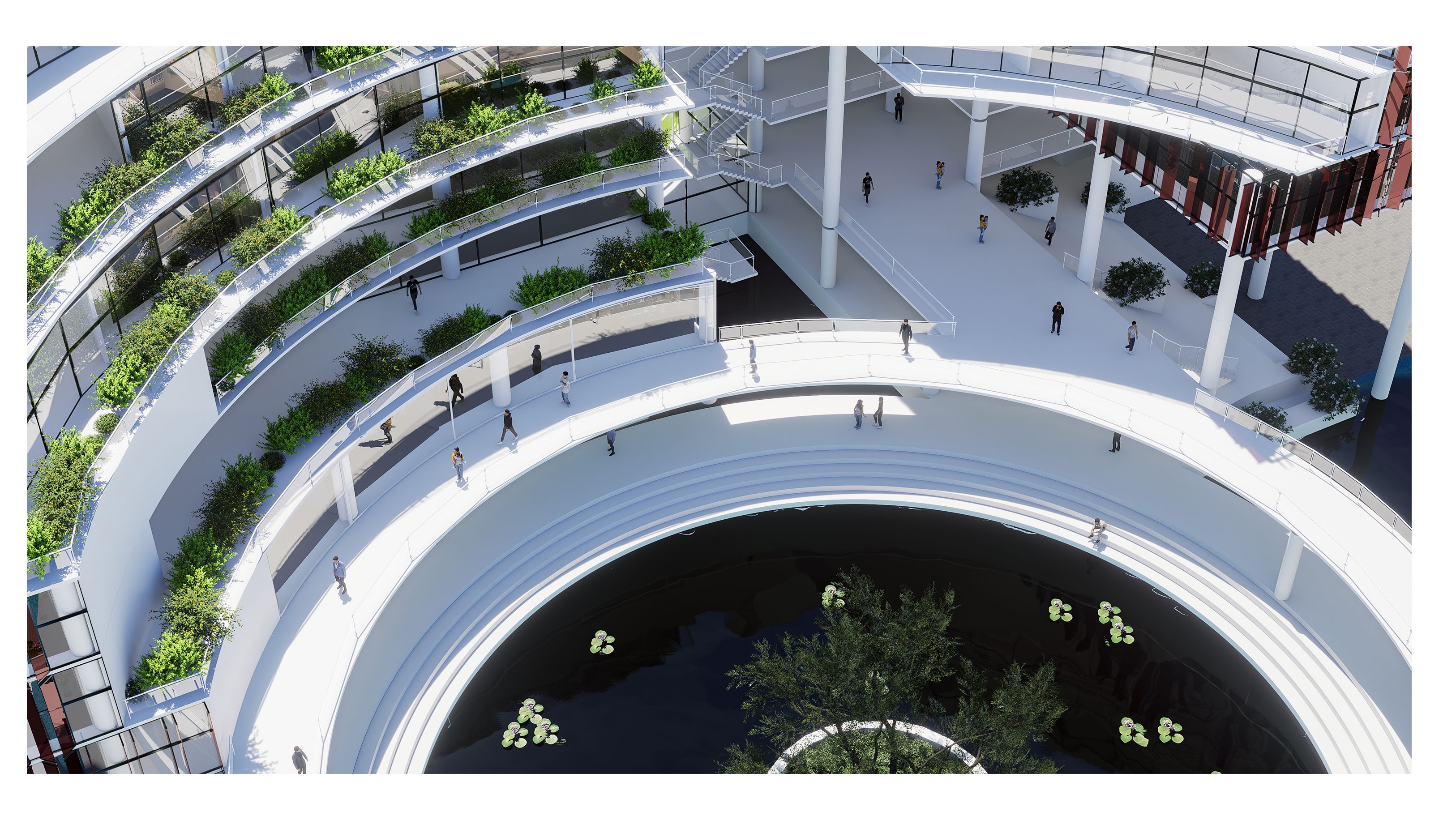
How does culture shape Architecture! Architecture is the manifestation and expression of Culture. So, Architecture and Culture are interdependent and inseparable. Architecture is the part of identity of each community and carries the message of culture of that society. Therefore, Architecture depends upon the geography, cultures, traditions, manners and knowledge of the community as well as its history. The form and relationships of buildings and spaces acts as a kind of 'cultural marker', which can describe the way of life and social status of its inhabitants. Khulna and Culture ! By 1882 Khulna was declared a district and by 1884 railway line was established linking Khulna and Kolkata. For maintaining authorities over that event, the British established their first real address by the bank of Bhairav river. The river Bhairav was the heart of all activities. Slowly the city grew step by step facing the Bhairav. Bhairav was like a mother who gave birth to the Khulna city. What happened to that Khulna city in years to come is a different story. In came the Pakistanies when the British left and then after 1971 the city belonged to Bangladesh. The city grew significantly during all these times. The modern city is full of people and full of places within places. The mixed used is to highlight the significance of water in the history, culture and vibrant urban life in khulna. Waterfront has become the foreground and the background for major cultural facilities and the quality open public area that defines the urban life in the city of Khulna. Our focus in design is to create an experience, and not just a standalone object, in the form of the landscape, art and architecture that are unified and defined by the water. Concept development : Urban approach – between Cityscape and Waterscape The urban approach that lies between cityscape and waterscape typically refers to the design and development of urban areas that integrate both the city's built environment and its relationship with water bodies such as rivers, lakes, canals, or coastal areas. This concept aims to create a harmonious and sustainable urban environment that maximizes the benefits of both the city and its water features.It's as if the soil and the water had a deep dialogue, as explained by the urban approach between Cityscape and Waterscape. It also strives to offer the diverse experiences of water in various states and conditions such as reflection of light and shadow, steam and flow that appeal to human senses. Analysis of the current cultural setting in Khulna . It is offer SPONTANEOUS , OPEN , TANGIBLE PLACE that carries the memory of vibrant and dynamic nature of culture in Khulna. In architecture, the concepts of spontaneous, open, and tangible space refer to different aspects of the design and experience of a built environment. Let's explore each of these concepts: Spontaneous Space: Spontaneous space in architecture refers to areas that encourage unplanned or unstructured activities. It provides opportunities for users to engage in spontaneous interactions, adapt the space to their needs, and contribute to its evolution. This type of space is often flexible and adaptable, allowing for various functions and interpretations. It promotes creativity, collaboration, and serendipitous encounters. For example, an open plaza or a community park with movable furniture and gathering spaces can facilitate spontaneous social interactions and events. Open Space: Open space refers to areas in architecture that are visually and physically open, free from barriers, and often characterized by a sense of vastness and connectivity. It can be achieved through architectural elements such as large windows, open floor plans, or the absence of enclosing walls. Open spaces foster a sense of freedom, transparency, and connection with the surrounding environment. They can enhance natural light, promote visual continuity, and facilitate interaction between different areas or people within a building. Examples of open spaces include atriums, lobbies, or open-plan offices. Tangible Space: Tangible space refers to architectural spaces that have a physical presence and sensory qualities that can be experienced and interacted with. It emphasizes the materiality, textures, and tactile aspects of a space. Tangible spaces engage the senses, creating a more immersive and engaging experience for the users. For instance, a building with exposed brick walls, wooden beams, or rough concrete surfaces provides a tactile experience, adding depth and character to the space. By incorporating tactile elements, architecture can evoke emotions and create a stronger connection between people and their environment. These concepts of spontaneous, open, and tangible space contribute to creating dynamic and engaging architectural environments. They can influence the way people interact, perceive, and experience the built environment, fostering a sense of community, creativity, and well-being. Architects often consider these concepts in their designs to create spaces that are adaptable, visually appealing, and responsive to human needs and desires. Architects often use a combination of these concepts to create meaningful, functional, and inspiring spaces that enrich the human experience.